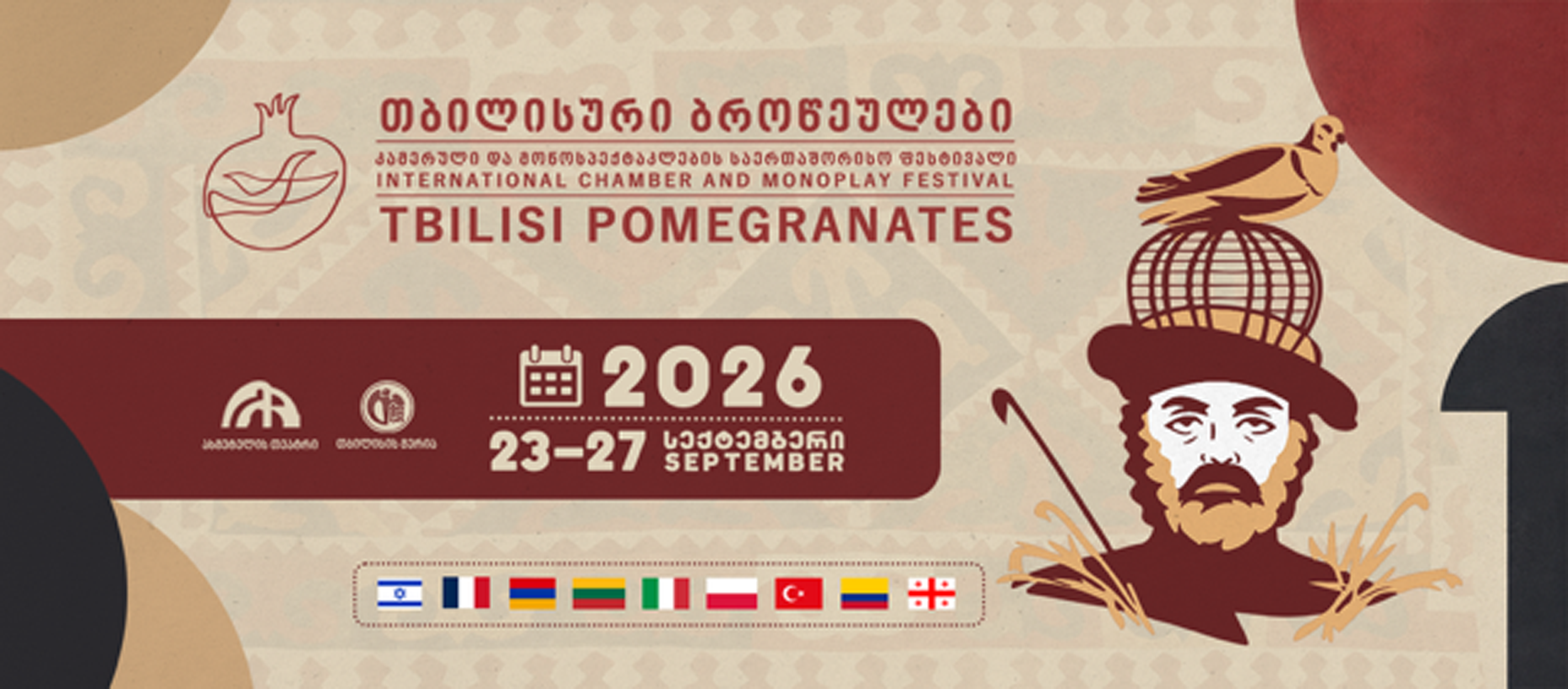
 Tbilisi Pomegranates – Theatre Between Memory, Power and Human Experience
Tbilisi, September 2026 — The third International Chamber and Monodrama Theatre Festival “Tbilisi Pomegranates”brought together Georgian and international theatre artists, critics and audiences at the Sandro Akhmeteli State Drama Theatre. Under the artistic direction of Irakli Gogia and the leadership of Giorgi Kaulashvili, the festival used its two intimate stages for chamber theatre, monodrama and experimental productions. Supported by sponsors, the festival maintained an independent artistic framework beyond official political agendas.
This year’s programme was remarkably diverse, yet several themes connected the productions: war, trauma, memory, political power, identity, love, death and survival.
The festival opened with Irakli Gogia’s “Antigone”, based on Jean Anouilh. The confrontation between Ana Javakhishvili’s Antigone and Andria Gvelesiani’s Creon develops from a family conflict into a fundamental clash of worldviews with almost political dimensions. Antigone rejects compromise and the corruption of the adult world, while Creon embodies uncompromising political responsibility. Minimalist scenography, sudden musical interventions and powerful silence intensify the confrontation. Most striking is the ambiguity of Antigone’s sacrifice: its absolute consequence remains, while its meaning increasingly becomes uncertain.
“Paskundji Transmutations”, by Demetre Gamsachurdia, offered a contrasting audiovisual experience. Georgian mythology, sound, rhythm, language and imagery combine in a journey through underworlds and higher realms, presenting the mythical Paskundji and the human being as symbols of consciousness, death and transformation.
Israeli productions formed another important strand of the festival. “Everything Remains Alive”, directed by Yarden Gilboa, follows a woman trying to reach her husband after he returns from war psychologically transformed. Inspired by a Zen folktale and minimalist Japanese puppetry, the production becomes a deeply personal exploration of secondary trauma. The actress Dana Keila’s partner, a combat veteran coping with PTSD, was present among the audience, giving the theatrical story an especially intimate dimension.
The Israeli Otef HaNegev Theatre’s “A Place to Live”, directed by Amitay Yaish Ben Ousilio, was created after 7 October from testimonies of residents of communities along the Gaza border. Survivors and evacuees themselves appear on stage. WhatsApp messages, personal testimony, movement, video and live music create a documentary search for home and healing. Its greatest strength is its restraint: the production is profoundly moving without manipulating the audience emotionally or manufacturing drama.
One of the festival’s most powerful productions was Maja Kleczewska’s “The Survivors”, written by Piotr Rowicki and performed by Agnieszka Przepiórska. The monodrama tells the story of Irenka K., an elderly woman from Warsaw’s Ochota district who, after eighty years of silence, speaks about the horrors she survived at the Zieleniak transit camp during the Second World War. Przepiórska does not merely portray Irenka — she seems to live her story. Kleczewska combines painful poetic imagery with an uncompromising confrontation with historical trauma.
Turkish director and visual artist Yasar Nezih Eyuboglupresented “Eye”, a meditative exploration of social conditioning, trauma and the human longing for unconditional love. “The Human” becomes a representation of each individual’s struggle to preserve an authentic self beneath the structures imposed by society.
The Lithuanian Klaipėda Drama Theatre, one of the country’s leading theatre institutions, presented “Some Species of Eagles” by Polish playwright Doman Nowakowski, directed by Igoris Reklaitis. Two men of different generations confront each other’s ideals, experience and understanding of life, while the play also examines the manipulative influence of television and media. With only two actors, the production demonstrates the power of a compelling story, assured direction and strong performers, earning a deserved festival success.
Based on Armenian writer Hrant Matevosyan, “The Buffalo”examines ancestral memory and the instinct to preserve life in conflict with a cold modern world. It becomes a meditation on survival, heritage and the persistence of memory.
The Georgian-Latvian “MEDEAmaterial” radically dismantles the classical Medea myth. Instead of treating Medea as a monumental tragic figure, the production breaks the myth down into everyday, bodily and spatial elements. Three women embody different physical states of a single archetype, with an allusion to Hecate.
The Colombian-Italian production “For a Banana” (Por una banana) combines magical realism with the historical tragedy of the 1928 massacre of banana workers in Colombia. Entering the world of García Márquez’s Macondo through the character Isabel, the production addresses corporate impunity, political manipulation and the suppression of historical truth.
Finally, “An Improbable Love Story”, the internationally awarded Italian visual comedy by Dandy Danno and Diva G, offered a welcome counterpoint to the darker productions. Retro vaudeville, surreal circus and physical comedy turn an unlikely encounter between two very different characters into a joyful and unexpected romance.
Taken together, the third edition of “Tbilisi Pomegranates”demonstrated the extraordinary range of contemporary chamber theatre. Ancient myth met documentary reality; war trauma encountered puppetry and visual theatre; political power stood beside intimate stories of love and survival.
What united the strongest productions was their refusal to offer easy answers. Instead, they made hidden experiences visible, gave voice to suppressed memories and transformed personal trauma into a shared theatrical experience.
“Tbilisi Pomegranates” is ultimately a festival of many voices and perspectives — a theatre of memory, conflict and human vulnerability that asks its audience not necessarily to agree, but simply to look, listen and experience.
Back
Hamlet Mortuus Est - Arte Factum 2025 mit neuem Projekt aus Rumänien fit für int. Theaterfestivals
Read more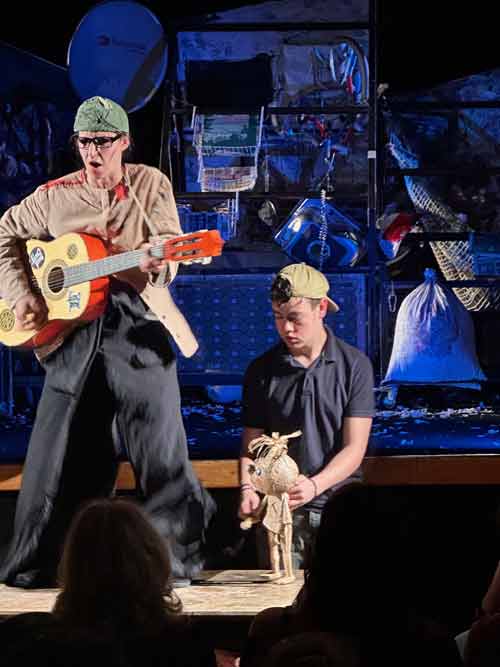
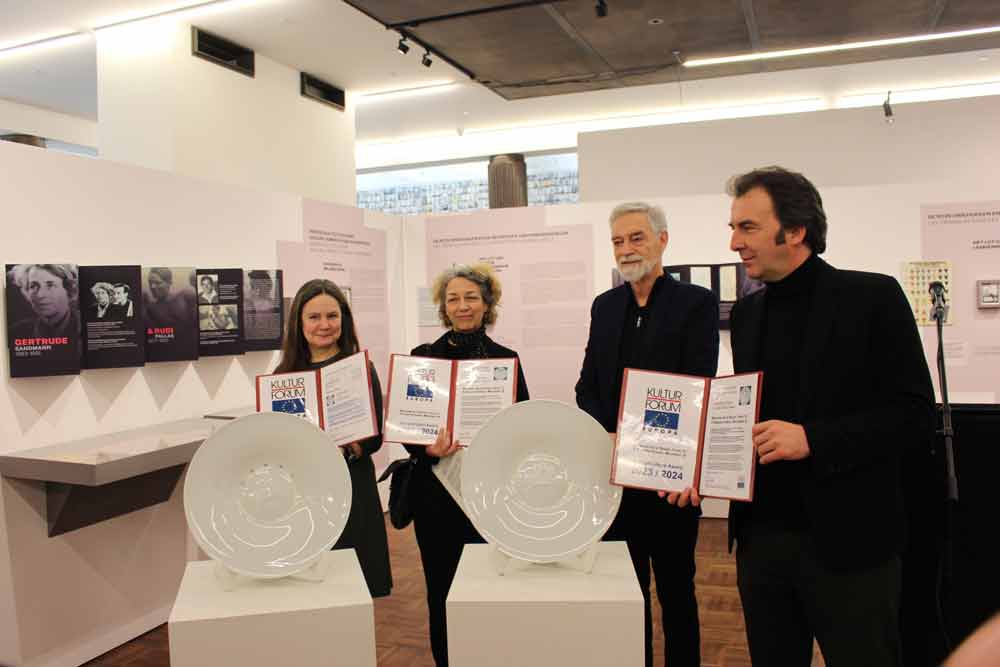
Holocaust Gedenkstätten Paris (F) und Mechelen (B) mit KulturPreis Europa `24 ausgezeichnet
Read more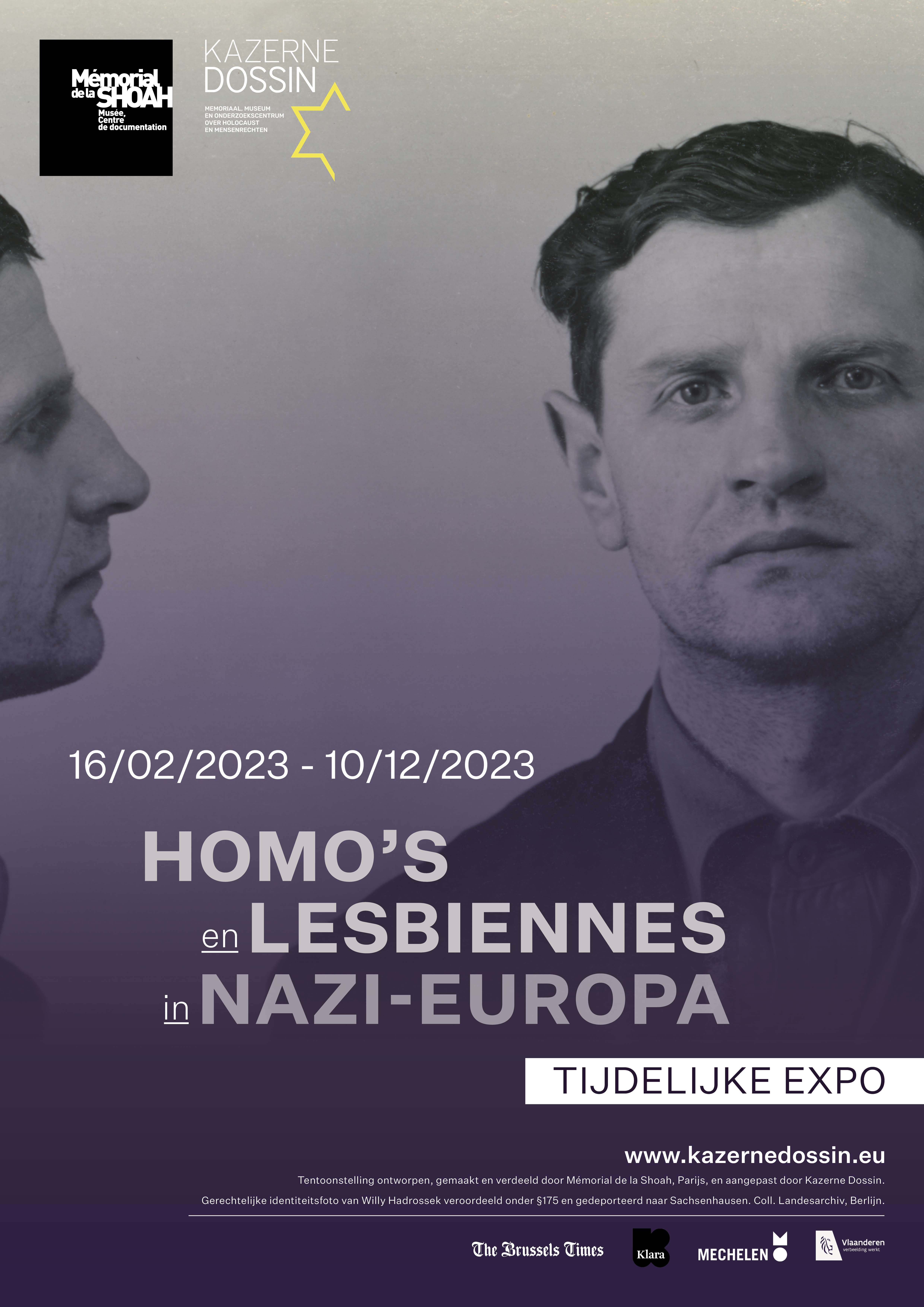
Exhibition *Homosexuals and Lesbians in Nazi-Europe* in the Kazerne Dossin, Memorial, Museum and Research Centre on Holocaust and Human Rights
Read more
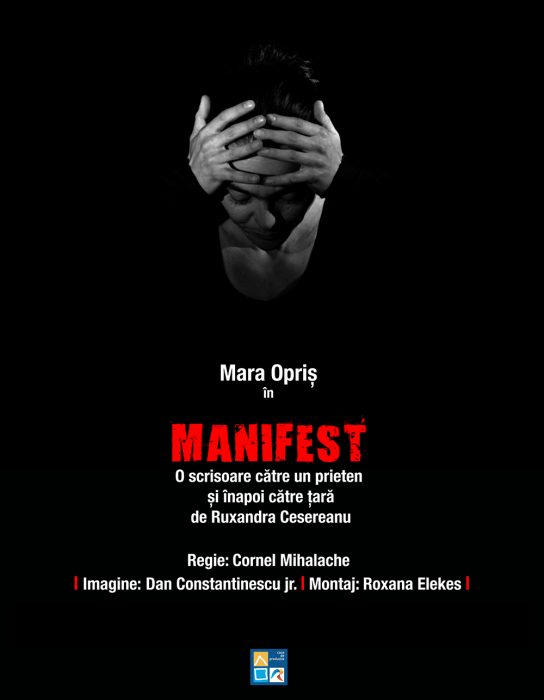
"Brief an einen Freund und zurück ins Land - MANIFEST" von Ruxandra Cesereanu, Regie Cornel Mihalache
Read more